EDMR
Discover Positive Change with EMDR Therapy: Healing From the Inside Out
Life experiences can leave deep emotional imprints. Sometimes, even when we know we’re safe now, our nervous system still reacts like the danger is happening all over again—through anxiety, intrusive thoughts, panic, or body sensations that won’t calm down.
EMDR therapy (Eye Movement Desensitization and Reprocessing) is an evidence-based approach that helps the brain and body finish processing overwhelming experiences so they no longer feel so raw, intense, or stuck.
At Best Life Counseling & Consultation, our EMDR-trained therapists provide a safe, structured space to gently work through trauma, stress, and painful memories at a pace that feels right for you.
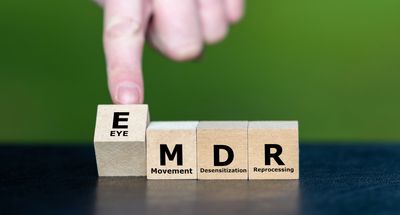
What Is EMDR?
EMDR helps your brain reprocess distressing memories so they become less triggering over time.
EMDR uses:
- Bilateral stimulation (gentle eye movements, tapping, or alternating sounds)
- Guided focus on specific memories, thoughts, emotions, and body sensations
- A structured 8-phase protocol that helps your nervous system move from “stuck” to “more settled and integrated”
You stay awake and in control the entire time. EMDR is not hypnosis—your therapist is there with you, helping you stay grounded and safe at a pace that feels right for you.

How Can EMDR Help?
EMDR can be helpful if you feel like, “I know it’s over, but my body doesn’t believe me yet."
Clients often use EMDR to work with:
- Past trauma (single events or long-term experiences)
- Anxiety and panic
- PTSD and complex trauma
- Grief and loss
- Childhood emotional neglect or bullying
- Medical or birth trauma
- Chronic pain and mind–body symptoms (when medically cleared)
- Ongoing patterns like people-pleasing, shame, or feeling “not good enough”
Many people describe EMDR as helping the memory feel more distant, less charged, and easier to think about without being overwhelmed.

What Does an EMDR Session Feel Like?
EMDR is designed with a careful, thoughtful pace so you engage with material only when you’re ready.
1. History & Planning
You and your therapist talk about:
- What you’d like help with
- Your history and current stressors
- Which memories, themes, or beliefs to target
Together you create a treatment plan that feels focused and manageable.
2. Preparation & Coping Skills
Before working on big memories, your therapist helps you:
- Learn grounding and calming skills
- Build inner resources (safe place imagery, support figures, regulation tools)
- Understand the EMDR process so there are no surprises
This phase helps your nervous system feel safer and more prepared.
3. Reprocessing Memories
When you’re ready, your therapist will:
- Ask you to bring a specific memory, image, or belief to mind
- Add bilateral stimulation (eye movements, tapping, or sounds) in short sets
- Pause frequently to check in and help you notice what’s coming up—thoughts, emotions, sensations, or new insights
Your brain starts to connect the dots on its own. Over time, the intensity often fades, and new, more balanced beliefs can emerge (for example, shifting from “I’m not safe” to “I survived” or “I’m worth protecting.”)
4. Installing Positive Beliefs & Closing
As the distress decreases, your therapist helps strengthen more helpful, compassionate beliefs and ensures you are grounded and stable before ending the session.
You always have the right to slow down, pause, or stop at any time.

Is EMDR Right for Me?
EMDR may be a good fit if:
You feel stuck in old patterns despite insight or previous therapy
You notice body reactions (tension, pain, panic, numbness) related to certain memories or triggers
You’ve experienced trauma, big or small, that still affects your life
You’re open to a structured process that doesn’t require you to retell every detail over and over
Your therapist will talk with you about:
Your current stability and supports
Medical and mental health history
Any conditions that may need coordination with your doctor
Together, you’ll decide if EMDR is an appropriate and safe choice right now.
